Reflections

A year of impact: reflections on 2024 from Dr Bea Bakshi, CEO of C the Signs

Dec 31, 2024
10 min read
Listen to this article

WRITER: Dr Bea Bakshi

Jump To
Stay in the loop!
Subscribe to get our weekly update.
Thank you! Your submission has been received!
Oops! Something went wrong while submitting the form.
Dr Bea Bakshi

Dr Bea Bakshi is the Co-founder and CEO of C the Signs, a health technology company using AI to detect cancer at its earliest, most treatable stage. A former GP and national clinical leader in digital health, Bea founded C the Signs after losing a patient to a late cancer diagnosis - a moment that reshaped her mission. Under her leadership, the platform has helped identify over 65,000 patients with cancer across the NHS.

Learn more

As 2024 draws to a close, it feels like the right moment to pause and reflect on what has been an extraordinary year for C the Signs - a year defined by our relentless pursuit of purpose and our shared mission to ensure that no patient faces a late cancer diagnosis.

This has been a year of measurable progress, meaningful partnerships, and, most importantly, real impact.

Transforming Lives Through Early Detection

In 2024, we reached remarkable milestones - completing over 400,000 cancer risk assessments and identifying more than 30,000 patients with cancer across 50+ cancer types.

Each number represents more than data. It represents a person whose cancer was found earlier, a family given more time, and a future rewritten.

These achievements bring us one step closer to our vision:

A world where every patient survives cancer.

Driving Research and Global Recognition

This year, our research was recognised on some of the world’s most influential scientific stages.

  • At the ASCO General Meeting in Chicago, we shared findings demonstrating improved early cancer detection rates - without increasing healthcare utilisation.
  • At the Early Detection of Cancer Conference in San Francisco, our data showed a 50% improvement in diagnostic speed.
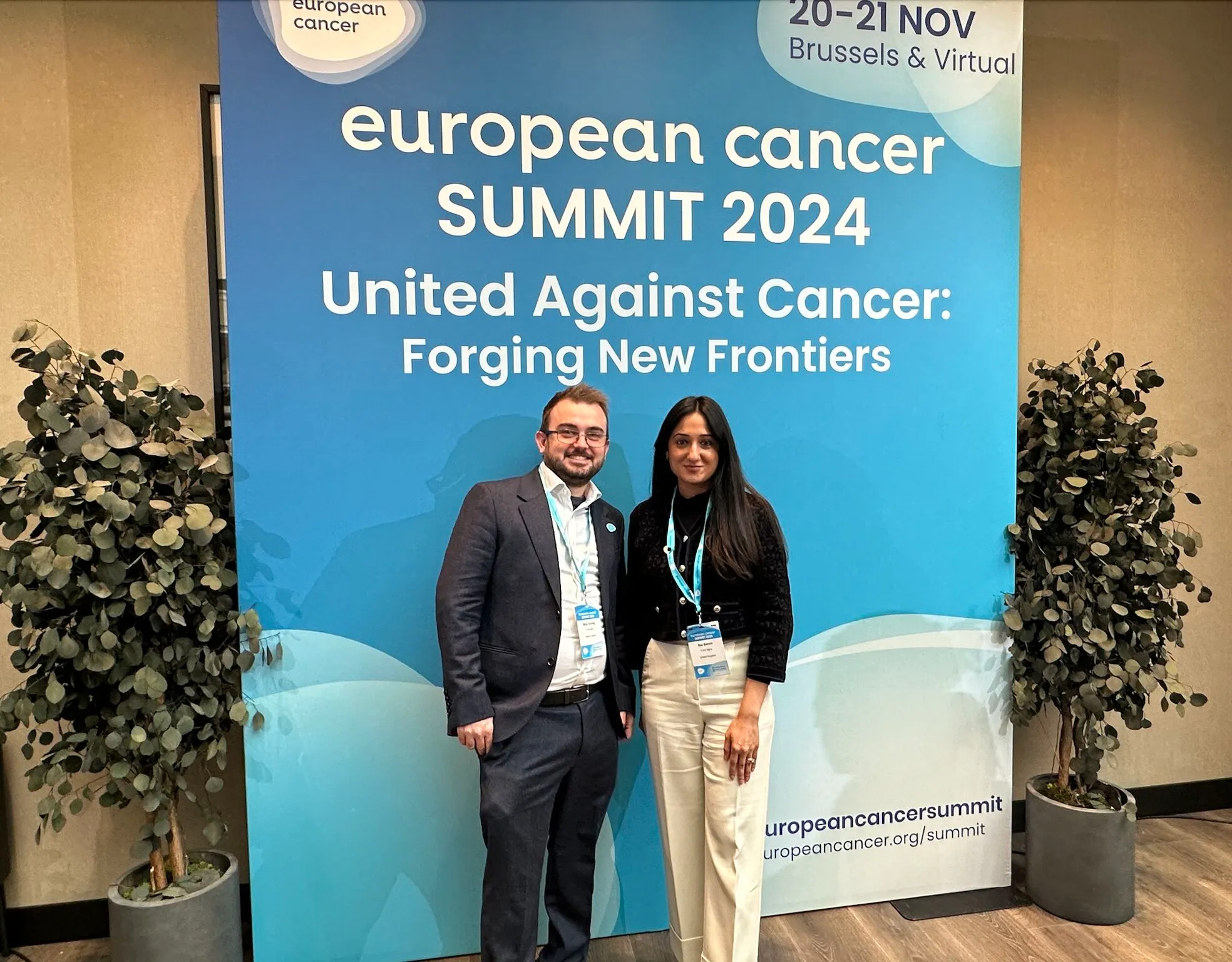
  • At the European Cancer Summit in Brussels, we presented evidence of significant stage shift in ovarian cancer, detecting cases earlier than ever before.
  • And most recently, at the San Antonio Breast Cancer Symposium, we revealed breakthrough findings showing C the Signs identified women at risk of breast cancer up to five years earlier than physicians, in 20% of cases, with accuracy comparable to mammography.

Each of these studies reinforces the same truth:
When cancer is found earlier, lives can be transformed.

Our Defining Value: Impact

When I asked our team what single value defines C the Signs, one word came through clearly - impact.

That word guides every decision we make, every partnership we build, and every innovation we create.
It is the heartbeat of who we are - a team united by the belief that technology can restore something medicine too often loses: time.

Gratitude and Collaboration

None of this would be possible without the people who make our mission real.

To our exceptional team - your dedication, brilliance, and compassion inspire me every day.
To the clinicians we partner with across the NHS and beyond - thank you for your trust, courage, and unwavering commitment to your patients, often in the most challenging circumstances.

Together, we are proving that early detection isn’t just possible - it’s happening.

Looking Ahead to 2025

As we look to the year ahead, our mission remains as clear as ever:
to accelerate earlier cancer detection and to ensure every patient, everywhere, has access to the care they need, when they need it.

2025 will bring new challenges - but also new opportunities to scale our impact, deepen our partnerships, and expand the boundaries of what’s possible in early diagnosis.

From all of us at C the Signs, thank you for being part of this journey.
Wishing everyone a joyful holiday season and a bright New Year filled with hope, innovation, and lives transformed.

Defy time. Rewrite the possible.


Dr Bea Bakshi
Co-Founder & CEO, C the Signs

play icon

AI drives earlier cancer diagnosis and 808 percent ROI: presented at 2025 ASCO QCS

Nov 25, 2025

08 min read

A new study presented at the ASCO Care Quality Symposium 2025 and published in the Journal of Clinical Oncology (JCO Oncology Practice) has shown that C the Signs, an artificial intelligence (AI) platform supporting earlier cancer diagnosis, has delivered an 808% return on investment (ROI) for the NHS.

Commissioned by Health Innovation East, the independent evaluation found that implementation of C the Signs across Suffolk and North East Essex Integrated Care Board (ICB) was associated with 272 patients being diagnosed earlier and £1.5 million in annual cost savings - demonstrating how AI can help improve patient outcomes and optimise NHS resources.

By helping GPs identify patients at risk of cancer sooner and reduce unnecessary urgent suspected cancer (USC) referrals, the platform has also eased system pressures and released valuable clinical capacity across the region.

“This study provides clear evidence that AI can make a measurable impact on cancer care,” saidDr Miles Payling, Chief Scientific Officer at C the Signs. He went on to say:

"An 800% return on investment means we’re improving early diagnosis and helping the NHS use its resources more efficiently. It’s a practical example of innovation making care better for both patients and clinicians.”

The study builds on earlier research, also published in JCO Oncology Practice and presented at ASCO, which found that GP practices using C the Signs achieved a 12% increase in cancer detection rates - from 58.7% to 66.0% - without increasing referral activity.

Together, these studies show that C the Signs helps detect more cancers at an earlier stage while maintaining stable referral volumes - supporting NHS priorities around early diagnosis, productivity, and elective recovery.

“Early diagnosis gives patients the best chance of successful treatment,” said Dr Seema Dadhania, Clinical Oncologist at Imperial College London and author of the study. Dr Dadhania further stated:

“C the Signs is helping primary care clinicians identify those subtle cancer presentations that can otherwise be missed - improving detection while reducing unnecessary referrals. It’s a model for sustainable early diagnosis.”

Scaling Across the East of England

Following the success in Suffolk and North East Essex, Health Innovation East has supported the expansion of C the Signs across Norfolk and Waveney ICB, with further rollouts planned across the East of England.

Piers Ricketts, Chief Executive at Health Innovation East said:

“This work is a strong example of technology delivering measurable benefit. C the Signs has shown that AI can help clinicians find cancer earlier.

He continued: "This is of obvious benefits to patients whilst also easing the pressure on NHS services, in particular on primary care. The results from Suffolk and North East Essex are a real success story for innovation in the NHS and show how the service can progress towards its goal of increasing early detection rates from 50% to 75% by 2028.”

Dr Peter Holloway, GP Partner at Mendlesham Practice, Cancer Lead for Suffolk and North East Essex ICB, Chair of the Primary Care Group for the East of England Cancer Alliance, and Cancer Research UK GP for the East of England said:

“The NHS has set an ambitious target to achieve 75 percent early stage cancer diagnoses by 2028. To reach this, we must strengthen primary care’s ability to recognise early symptoms of cancer and ensure timely investigation and referral. C the Signs – a clinical decision support system integrated seamlessly within GP IT systems – helps deliver on these objectives.

Shedding further light on the impact, Dr Holloway said: "Research has shown a 12 percent increase in cancer detection rates in Ipswich and East Suffolk following its implementation. Moreover, it demonstrates a strong return on investment: by ensuring patients are quickly directed to the right pathway, the system effectively pays for itself and reinforces the value of a digital first approach.”

play icon

How early prostate cancer detection helped James Pickens Jr. get more time

Nov 18, 2025

08 min read

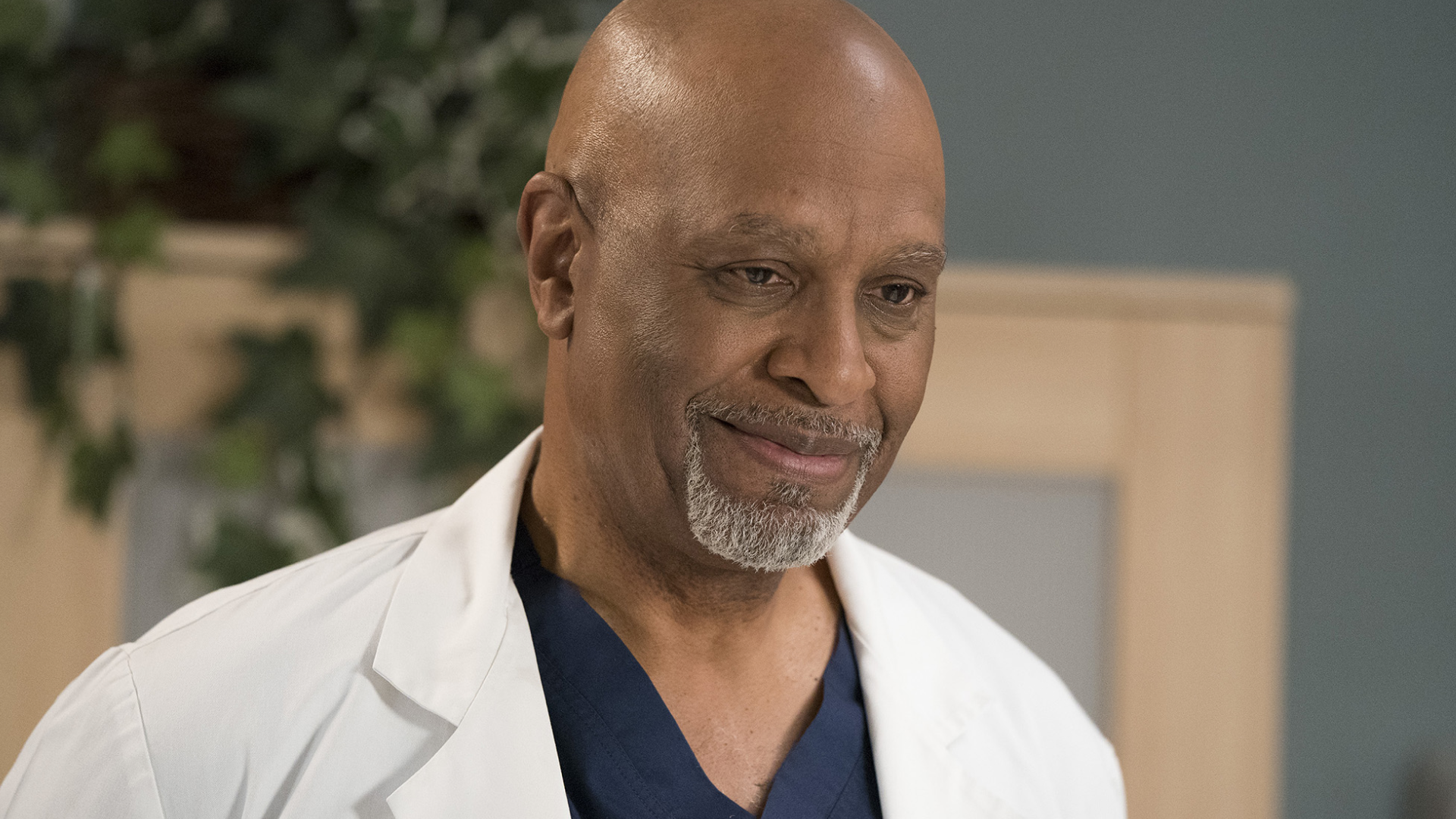
Actor James Pickens Jr., known to millions for his role as Dr Richard Webber on Grey’s Anatomy, has shared his personal experience with prostate cancer - a decision he hopes will encourage more men, especially Black men, to understand their risk and speak to a health professional sooner.

Pickens, now 73, was diagnosed after his annual physical in 2024. For him, the news was not entirely unexpected. Prostate cancer has affected many men in his family across generations. That family history meant he was diligent about monitoring his health - something that ultimately made all the difference.

“My urologist said it worked in my favour,” he shared.

“Because I was so consistent with my testing, they were able to catch it early.”

During his check-up, elevated PSA levels led to a referral to a urologist. A biopsy confirmed a tumour, and a PET scan showed it hadn’t spread. Given his early diagnosis, Pickens was able to choose between radiation or surgery. He opted for a robotic prostatectomy, supported by a team who kept a close eye on a rare cancer variant found during testing.

“They told me they hadn’t seen one detected as early as mine,” he said - a powerful reminder of what’s possible when cancer is identified in time.

Pickens has spoken openly about the stigma that often surrounds men’s health, especially conversations about prostate cancer. Many men delay seeking help, feel uncertain about what’s normal, or worry about “making a fuss”. These barriers are even more pronounced for Black men, who face a higher risk due to genetic and structural factors.

“One in eight men will be diagnosed with prostate cancer,” he said in a recent public message. “For Black men, the risk is even higher. His story reinforces a truth we hear across healthcare: the earlier prostate cancer is detected, the more options men have - and the better their outcomes can be.

"Early detection is key, and sometimes there are no noticeable symptoms.”

How do you know if you have prostate cancer?

Prostate cancer can be difficult to recognise in its early stages - not because people aren’t paying attention, but because the body often gives very few clues at the beginning. That’s why understanding your own baseline, your personal risk, and what feels normal for you is so important.

There isn’t one single sign to look out for. Instead, there are moments worth pausing on - small changes, shifts in how your body behaves, or a sense that something simply feels different.

You don’t need to be certain something is wrong before speaking to a doctor. You just need to notice a change.

For many men, that might look like:

  • A change in the way you urinate - starting, stopping, or feeling different
  • Going more often, especially at night
  • A stream that feels weaker or slower than usual
  • A lingering sense that your bladder hasn’t fully emptied
  • Or simply a feeling that something isn’t quite your normal

These changes don’t automatically mean prostate cancer. They’re far more often caused by benign prostate enlargement - a common part of ageing. But they are still worth a conversation, because the earlier any prostate issue is understood, the more options you have.

Your risk also changes over time. Growing older, having Black heritage, or having a family history of prostate, breast or ovarian cancer can increase the chance of developing prostate cancer - which is why some people choose to check in sooner.

A doctor may talk to you about a PSA blood test - a simple blood test that measures the level of prostate-specific antigen - a protein made by the prostate. It isn’t a diagnosis, and it doesn’t give all the answers - but it can offer a helpful starting point if you want to understand your risk more clearly.

What matters most is listening to your body. You know when something feels different. And you deserve to be taken seriously, to ask questions freely, and to have the right support at the right time.

play icon
Health

Cannabis and cancer: what the science tells us today

Oct 22, 2025

08 min read

For many people, conversations about cannabis and cancer come from a place of hope - a hope that something natural might ease symptoms or make treatment feel more manageable. For others, it’s a topic filled with uncertainty and mixed messages. With so much information circulating online, it can be difficult to know what’s fact, what’s theory, and what’s still being explored.

What is cannabis?

Cannabis is a plant that has been used for thousands of years, both recreationally and medicinally. The resin it produces contains cannabinoids, chemical compounds that can interact with the human body.

Two of the main cannabinoids are:

  • Delta-9-tetrahydrocannabinol (THC) - the compound that causes a “high.”
  • Cannabidiol (CBD) - which doesn’t cause a high and is legal in the UK when sold without THC.

The human body naturally produces its own cannabinoids, known as endocannabinoids, which help regulate processes such as appetite, mood and pain. This system is complex and continues to be studied, including how it may relate to certain diseases, cancer among them.

The legal status in the UK

Cannabis remains a Class B drug under UK law, meaning it’s illegal to possess or supply it. However, several prescribed medicines derived from cannabis are approved for use in the NHS, including:

  • Nabilone, used to help control nausea and vomiting caused by chemotherapy.
  • Epidyolex, used to treat certain types of severe epilepsy.

These are highly regulated medicines, prescribed only when other treatments haven’t worked.

CBD products, such as oils, drops, or gummies, are legal to buy in the UK if they contain no THC and are marketed as food supplements. They cannot legally claim to treat or prevent disease.

What about cannabis oil?

Cannabis oil products vary widely. Some contain only CBD, while others, often sold illegally, include THC. Pure CBD oil is legal to buy as a food supplement in the UK, but products sold online or in shops are not medicines and are not regulated for quality or content.

People living with cancer sometimes explore CBD oil to help with pain, anxiety or sleep. However, claims that CBD or cannabis oil can cure or shrink cancer are not supported by scientific evidence.

If a patient wishes to try CBD, they should always speak to their GP, pharmacist or cancer care team first - especially as CBD can interact with other prescribed medicines.

Cannabis and cancer: what the evidence shows

Researchers around the world have been studying cannabinoids and their potential role in cancer treatment. The results have been mixed and mostly early stage.

Some laboratory studies show that cannabinoids can:

  • Trigger cancer cells to die (a process called apoptosis).
  • Slow the growth of certain cancer cells.
  • Prevent tumours from forming new blood vessels.

However, other studies have found that cannabinoids can:

  • Damage healthy blood vessels.
  • Sometimes promote cancer cell growth under certain conditions.

It’s also important to note that most of this research has been done in cells in the lab or in animals, not in people. What works in a petri dish doesn’t always translate into safe or effective treatments for patients.

As of 2025, there is no reliable clinical evidence that cannabis or cannabinoids can treat or cure cancer in humans.

What the research is exploring

Recent trials are beginning to look at cannabinoids in controlled, medical settings. These studies focus mainly on symptom control or exploring whether cannabinoids can be safely combined with standard treatment - not on replacing proven therapies.

Medicinal cannabis for symptom control in advanced cancer (2025)

A randomised, double-blind clinical trial tested a cannabis oil against placebo in patients with advanced cancer. The trial found no difference in overall symptom distress, though some patients reported a small reduction in pain. However, this came with higher rates of side effects such as dizziness and fatigue, highlighting the need for further research into safe dosing.
(Hardy et al., 2025). 

The ARISTOCRAT trial – UK, ongoing

The ARISTOCRAT trial, led by the University of Leeds and the University of Birmingham, is testing nabiximols (Sativex),  a balanced THC:CBD oral spray, alongside standard chemotherapy for people with recurrent glioblastoma. Early data suggests the treatment is well tolerated. The study aims to understand whether adding cannabinoids could improve survival.
(University of Leeds, 2021; The Brain Tumour Charity, 2023; BMC Cancer trial protocol, University of Birmingham, 2023)

Together, these studies show that research is progressing, but there is still no clear evidence that cannabinoids improve cancer outcomes.

What we still need to understand

There are still important questions to answer:

  • Which cannabinoids (natural or synthetic) might be most effective?
  • What doses are safe and meaningful?
  • Which cancer types, if any, might respond?
  • How do cannabinoids interact with existing treatments like chemotherapy or immunotherapy?

Until large, well-controlled clinical trials can answer these questions, cannabis cannot be recommended as a cancer treatment.

The bottom line

There’s currently no reliable evidence that cannabis or cannabis oil can treat or cure cancer.
Some cannabinoids may help manage symptoms such as pain, sickness or appetite loss, but always under clinical supervision.

For anyone considering CBD or cannabis-based products, the safest step is to talk to a GP or oncology specialist first. They can help review what’s evidence-based, what’s safe, and what may interfere with ongoing treatment.

Because every informed choice, and every early conversation,gives patients back control, confidence and clarity.

References

Hardy JR, Greer RM, Pelecanos A, et al. (2025). Medicinal cannabis for symptom control in advanced cancer: a double-blind, placebo-controlled, randomised clinical trial of 1:1 tetrahydrocannabinol and cannabidiol. Supportive Care in Cancer. DOI: 10.1007/s00520-025-09763-5

University of Leeds (2021). World-first trial tests cannabis-based drug on aggressive brain tumours. Leeds.ac.uk

The Brain Tumour Charity (2023). ARISTOCRAT: a pioneering trial using a cannabinoid-based drug to treat brain tumours. thebraintumourcharity.org

University of Birmingham (2023). A randomised phase II trial of temozolomide with or without cannabinoids in patients with recurrent glioblastoma (ARISTOCRAT). BMC Cancer protocol. birmingham.ac.uk

Cancer Research UK (2023). Cannabinoids and cancer: what we know. news.cancerresearchuk.org

play icon
GP Practices

MP Joe Powell C's the Signs in Kensington

Oct 20, 2025

08 min read

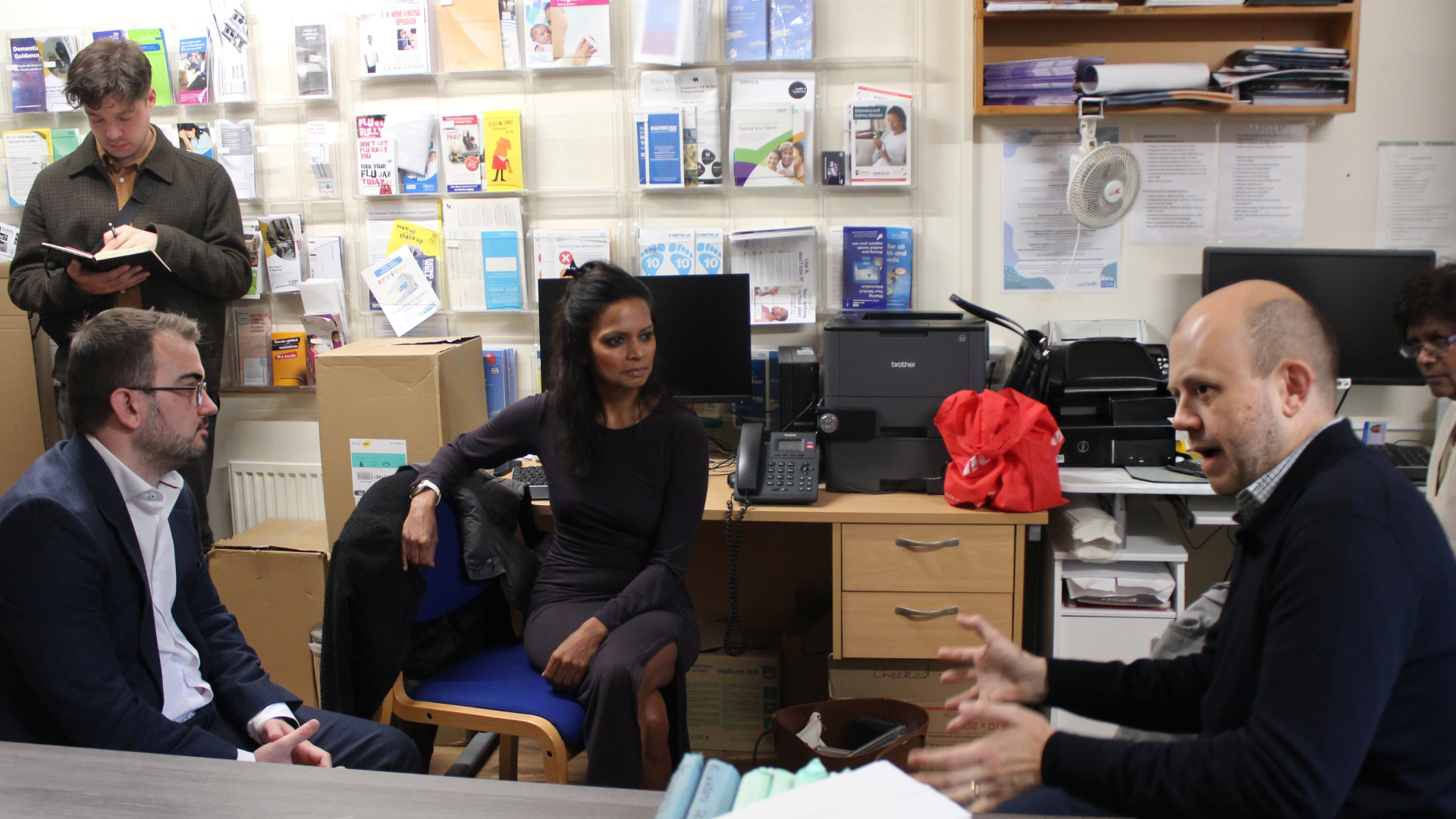
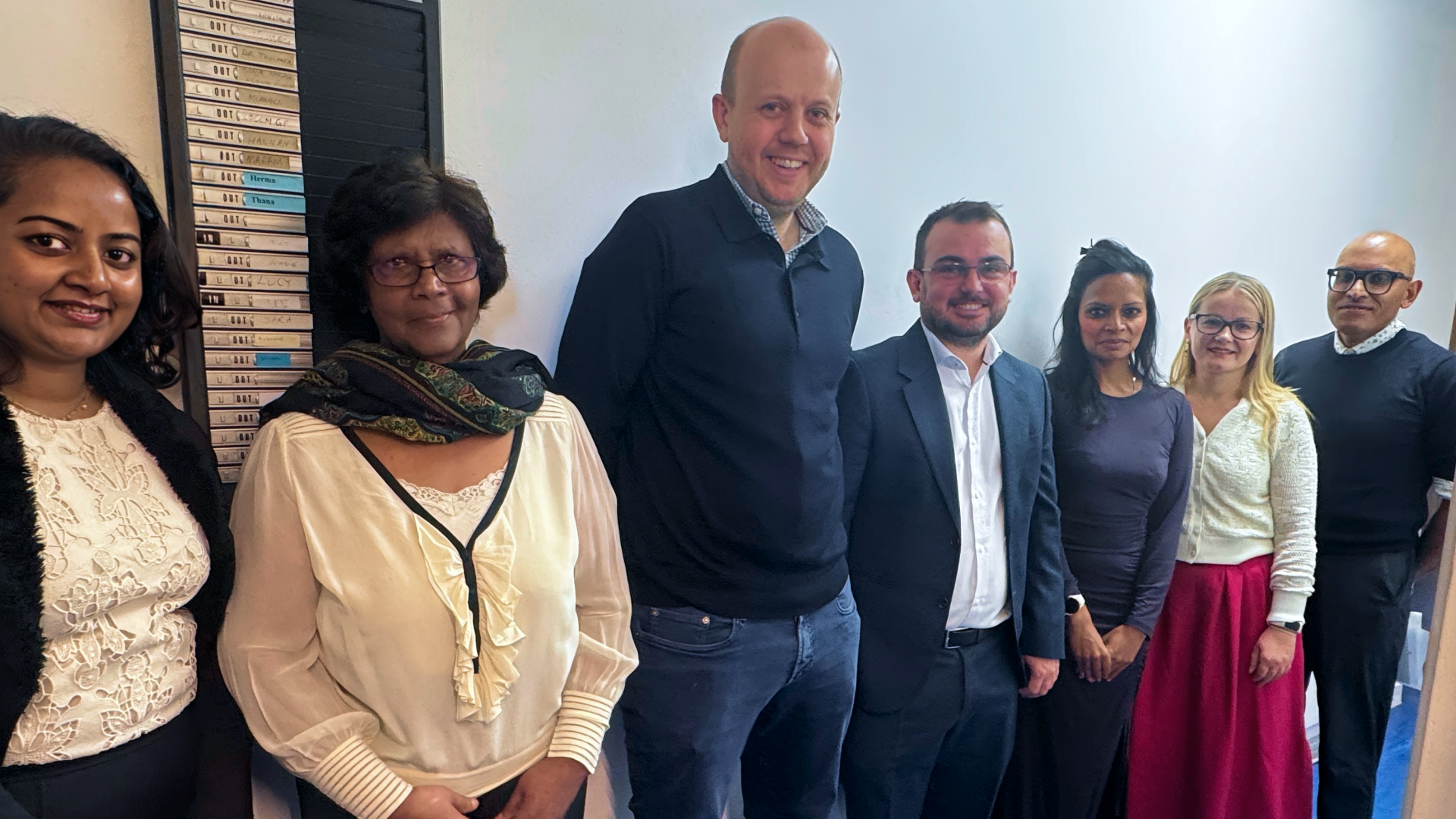
Earlier this month, Joe Powell, Member of Parliament for Kensington and Bayswater, visited Golborne Medical Centre to see how local GPs are using C the Signs.

Hosted by Dr Meena Nathan and Dr Thushara Goonewardene, the visit brought together community clinicians, C the Signs Co-Founder Dr Miles Payling, and local leaders to explore how innovation, teamwork, and community engagement are transforming early diagnosis in one of London’s most diverse communities.

Transforming Early Diagnosis in Primary Care

Inside the busy surgery, clinicians demonstrated how C the Signs supports decision-making in real time - analysing patient records, symptoms, and risk factors to surface hidden indicators of cancer during routine appointments.

“We’re still early in the rollout, but already it’s helping us prioritise patients who might otherwise slip through the cracks,” one clinician shared.

C the Signs’ AI models - validated across more than 500,000 patient records - have achieved 99% sensitivity for cancer detection and 94% accuracy in predicting tumour origin. In real-world NHS evaluations, practices using C the Signs have seen a 50% reduction in emergency cancer diagnoses and a 20–50% improvement in time to diagnosis.

Discussions during the visit focused on addressing barriers such as low screening uptake and under-detection in harder-to-spot cancers like pancreatic and lung - areas where C the Signs’ AI-driven case finding is already being deployed across the NHS.

Community, Compassion and Continuity

Beyond technology, clinicians emphasised the human side of early diagnosis. One GP described how her team intervened when a patient’s surgery was nearly cancelled due to language barriers:

“She came in completely distraught. We stepped in, made the calls, got her rebooked. That kind of support takes time - but it changes everything.”

The Golborne team highlighted how community partnerships and culturally sensitive communication remain critical to ensuring that early diagnosis reaches every patient.

“It all starts with education,” said another clinician. “We saw what community groups achieved during the pandemic - those links still exist, but time is our biggest limitation.”

Facing the Pressures in Primary Care

The visit also revealed the realities of delivering proactive, preventative care in a high-demand urban setting. With limited space, the team frequently repurposes rooms - even corridors - to ensure every patient is seen. Expansion plans are already underway to increase clinical capacity next year. Despite these pressures, Golborne’s clinicians continue to innovate, integrating mental health support, opportunistic health checks, and early-diagnosis prompts into every consultation.

“Our patients work with us,” said a member of the Golborne team. “They know we’re doing our best - and they appreciate that.”

Partnership Beyond the Practice

Speaking after the visit, Joe Powell MP emphasised the importance of collaboration between community, technology, and health services:

“What’s happening here in Golborne - between GPs, community groups, and innovators like C the Signs - is exactly the kind of joined-up approach we need to deliver earlier diagnosis and better care.”

He also called for stronger links across the Integrated Care Board (ICB) and better alignment between voluntary and statutory services to tackle the wider determinants of health - from housing to mental wellbeing.

Dr Miles Payling, Co-Founder and Chief Scientific Officer at C the Signs, added:

“Early diagnosis begins in communities - in everyday conversations between GPs and patients, supported by technology that empowers those moments. Every 22 minutes, C the Signs helps detect another patient with cancer. What’s happening in Golborne shows how innovation can give patients back the one thing cancer takes away: time.”

Why It Matters

C the Signs was built by NHS doctors to work within existing systems and integrate seamlessly with primary-care workflows. Today, it is commissioned in over 1,500 GP practices, covering more than 10 million patient lives across the UK.

By enabling faster, more accurate triage and supporting clinicians at the point of care, the platform is redefining how cancer is detected - turning complex data into actionable insight and giving every patient a better chance of being seen in time.

play icon
C the Signs

Why early cancer diagnosis matters

Oct 17, 2025

08 min read

Cancer affects almost every family, but one thing shapes outcomes more than anything else: how early it’s found. When cancer is diagnosed sooner, treatment is usually simpler, options are greater, and people have a much better chance of living longer, healthier lives.

Early diagnosis gives people time - and that time can change everything.

Why it can be hard to spot early signs

The first signs of cancer are often subtle. Tiredness, a lingering cough, changes in appetite or digestion - symptoms that are incredibly common and usually caused by something minor. With so many possibilities, it can be difficult to know what needs attention and what can wait.

Primary care clinicians are often the first people patients turn to. They see a huge range of symptoms every day, often with limited time to explore them fully. It’s a challenging balance: being thorough, being reassuring, and making sure no early clue is overlooked.

This isn’t a reflection of ability.

It’s simply the nature of early cancer symptoms - they’re easy to miss, even when clinicians are doing everything right.

Where technology can make a meaningful difference

As cancer becomes more complex, clinicians need support that helps them make sense of subtle symptoms quickly and confidently.

Modern technology - including AI designed for early cancer detection - can help by:

  • recognising patterns that may not be obvious at first glance
  • supporting consistent, evidence-based decision-making
  • helping clinicians identify when further checks might be needed
  • making sure patients at risk don’t slip through the cracks

The goal isn’t to replace clinical judgement. It’s to strengthen it - and lighten the load on the people who carry so much responsibility.

The impact of finding cancer sooner

When cancer is identified earlier:

  • people start treatment sooner
  • recovery can be quicker
  • treatment is often less invasive
  • survival rates increase
  • families gain more time together

Early diagnosis isn’t just a clinical milestone - it’s a moment that can change the course of a life.

play icon
C the Signs

How does C the Signs work?

Oct 3, 2025

08 min read

Early diagnosis changes lives. When cancer is found sooner, treatment can begin earlier and the chances of recovery improve. But recognising those early signs is rarely simple. In primary care, clinicians see a wide range of symptoms every day, many of which could point to something routine - or something more serious.

This is where supportive technology becomes essential.

Why early cancer symptoms are hard to recognise

Cancer doesn’t follow a single pattern. Two people with the same cancer can describe completely different symptoms - persistent tiredness in one person, back pain or bloating in another. With more than 100 cancer types and countless possible combinations of symptoms, it’s understandable that early detection can be challenging.

Primary care clinicians often have only a short window to explore concerns, manage records, and decide what needs further investigation. Guidelines can be detailed and complex, and symptoms often overlap with far more common conditions. Clinicians carry enormous responsibility. They deserve systems that help lighten that load.

How supportive technology can help

C the Signs was designed to give clinicians clear, timely insight when something might need a closer look. It draws together national guidance, clinical evidence, and local pathways to support decisions directly within existing primary care systems. It doesn’t replace clinical judgement - it strengthens it. Here’s how it supports the process:

Input
Clinicians enter symptoms, risk factors, concerns or test results directly within their usual systems.
Interpret
The platform analyses this information through validated pathways, clinical research and guideline recommendations.
Act
Within seconds, it offers a clear suggestion - whether that’s a referral, a specific test, or a safe next step - all tailored to the individual. All of this is inputted into the clinician's usual workflow. At present, we mostly work within the UK's National Health Service, and are actively used in over 25% of all practices.

C the Signs Platform

Helping ensure patients are seen in time

Early diagnosis often relies on small details: a symptom that’s been lingering, a pattern that’s easy to overlook, or a concern that doesn’t quite fit. With clear prompts and structured follow-up, clinicians can monitor at-risk patients more easily and ensure those subtle signs aren’t lost between appointments.

This helps prevent delays that can happen when symptoms are unclear or when multiple conditions are being explored at once. It also supports safer safety-netting - making sure people return for the right checks at the right time. Every earlier diagnosis represents more time for treatment, more options, and more stability for patients and their families.

A more sustainable approach to early diagnosis

As pressures on primary care continue to grow, early cancer diagnosis must become more sustainable. Technology that works hand-in-hand with clinicians can support this by:

  • reducing variation in care
  • supporting consistent decision-making
  • easing administrative burden
  • helping identify patients who may otherwise be missed
  • protecting referral pathways while improving accuracy

It’s a way of strengthening systems without increasing workload - and helping clinicians continue to deliver high-quality care under growing demand.

Working towards earlier diagnosis, together

Spotting cancer early will always be challenging. Symptoms rarely present neatly, and no single system or clinician can hold every pathway in mind during fast-paced appointments. That’s why supportive technology matters - not to replace people, but to ensure they’re equipped with the right information at the right time.

When clinicians are supported, patients benefit, and when patients are seen in time, outcomes change.

Early diagnosis starts with a single moment - a symptom mentioned, a pattern recognised, a decision made with confidence. Our role is to help make those moments easier to act on, so more people receive the care they need, when it can make the greatest difference.