
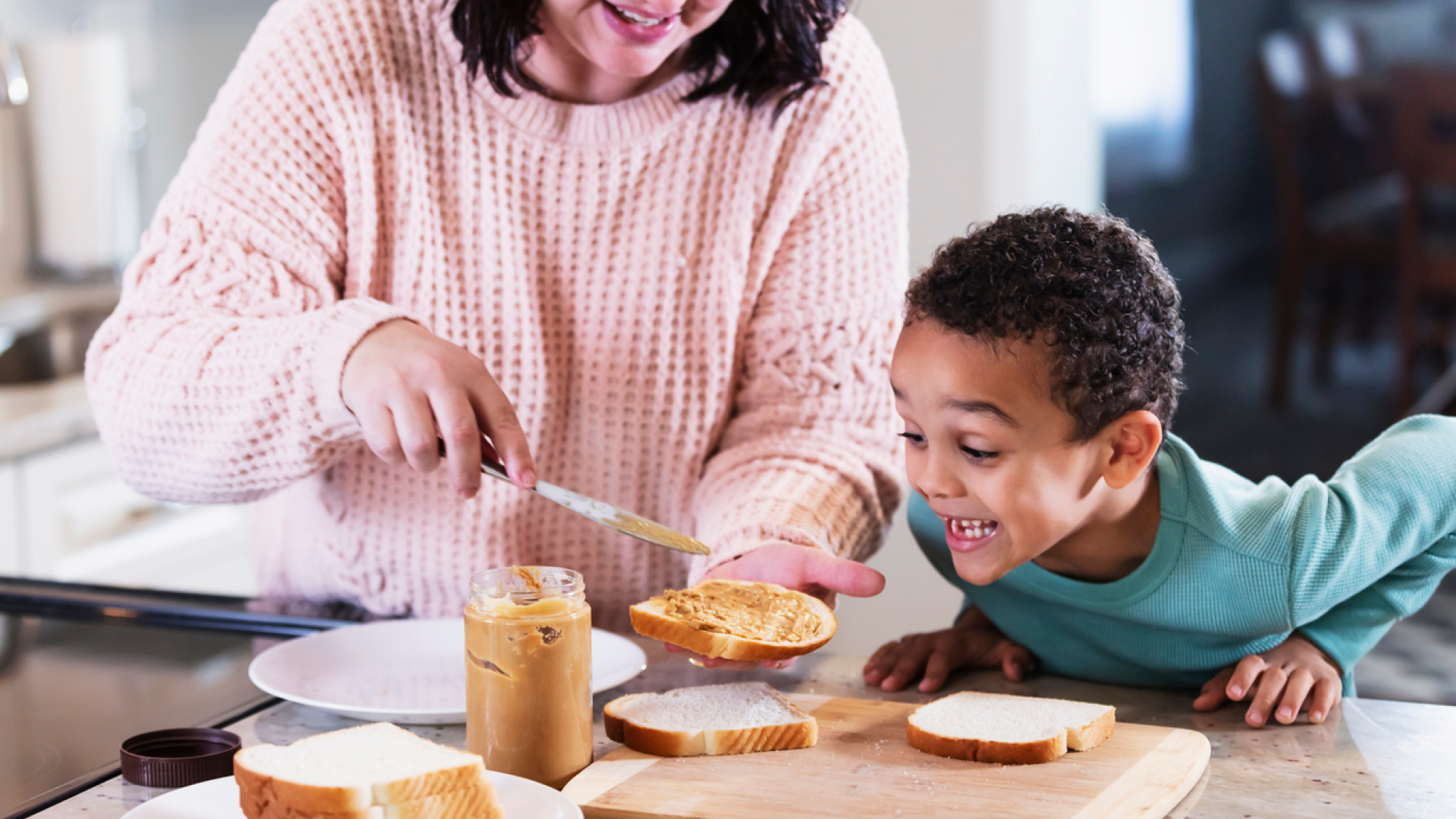
Peanut butter has had a lot of bad press - and not always fairly. It’s one of those foods that often pops up in cancer myths. So let’s clear things up. There’s no good evidence that peanut butter causes cancer.
Where did the cancer myth come from?
The worry comes from something called aflatoxins - natural toxins produced by certain moulds that can grow on peanuts if they’re stored in warm, humid places. Long-term exposure to high levels of aflatoxins has been linked to liver cancer, but this mostly applies to parts of the world where food safety systems aren’t strong or consistent.
In places like the UK, Europe, and the US, strict food standards are in place. Peanuts and peanut butter are carefully tested and monitored to make sure aflatoxin levels stay well below anything that could cause harm. So, if you’re picking up a jar from your local shop, there’s no need to worry.
Is peanut butter safe to eat?
Yes! Better yet, it can even be part of a healthy, balanced diet. Peanuts are full of nutrients: protein, healthy fats, fibre, and antioxidants. Studies haven’t shown any consistent link between eating peanut butter and an increased risk of cancer. That said, peanut butter is calorie-dense. Like many delicious things, it’s best enjoyed in moderation - especially as weight gain and obesity are known cancer risk factors.
Whether it’s organic, crunchy, smooth, or straight from the spoon - all commercial peanut butters sold in regulated markets must meet the same food safety standards. If you’re buying from trusted retailers, your peanut butter has been through rigorous checks, regardless of the label. Choosing natural or no-added-sugar versions can help if you’re watching your sugar or salt intake. But when it comes to aflatoxins or cancer risk, there’s no extra concern.
So, should I worry about peanut butter?
Peanut butter isn’t something most people need to fear. If you’re buying from reputable shops in countries with strong food regulations, it’s been checked, tested, and cleared for safety. Like many everyday foods, it’s about context and balance. Peanut butter on toast isn’t a risk - it’s a snack.
What matters more is your overall lifestyle, your health as a whole, and how you feel in your own body. If you ever notice a change that doesn’t feel right - whether it’s with food, digestion, or anything else - it’s always worth speaking to a doctor. The earlier something’s spotted, the more options you’ll have.
Food and health can feel overwhelming, especially with so many myths out there. But when it comes to peanut butter, there’s no reason for fear. Just good sense, solid science, and perhaps one less thing to worry about in your kitchen cupboard.





.png)