C the Signs Conference 2025

Why every moment matters: A message from Dr Miles Payling

Aug 19, 2025
10 min read
Listen to this article

WRITER: Dr. Miles Payling

Jump To
Stay in the loop!
Subscribe to get our weekly update.
Thank you! Your submission has been received!
Oops! Something went wrong while submitting the form.
Dr. Miles Payling
Chief Scientific Officer And Co-Founder At C The Signs

Dr. Miles Payling, NHS Doctor, Co-Founder & Chief Scientific Officer at C the Signs, focuses on early cancer detection and using technology to support timely diagnosis.

Learn more

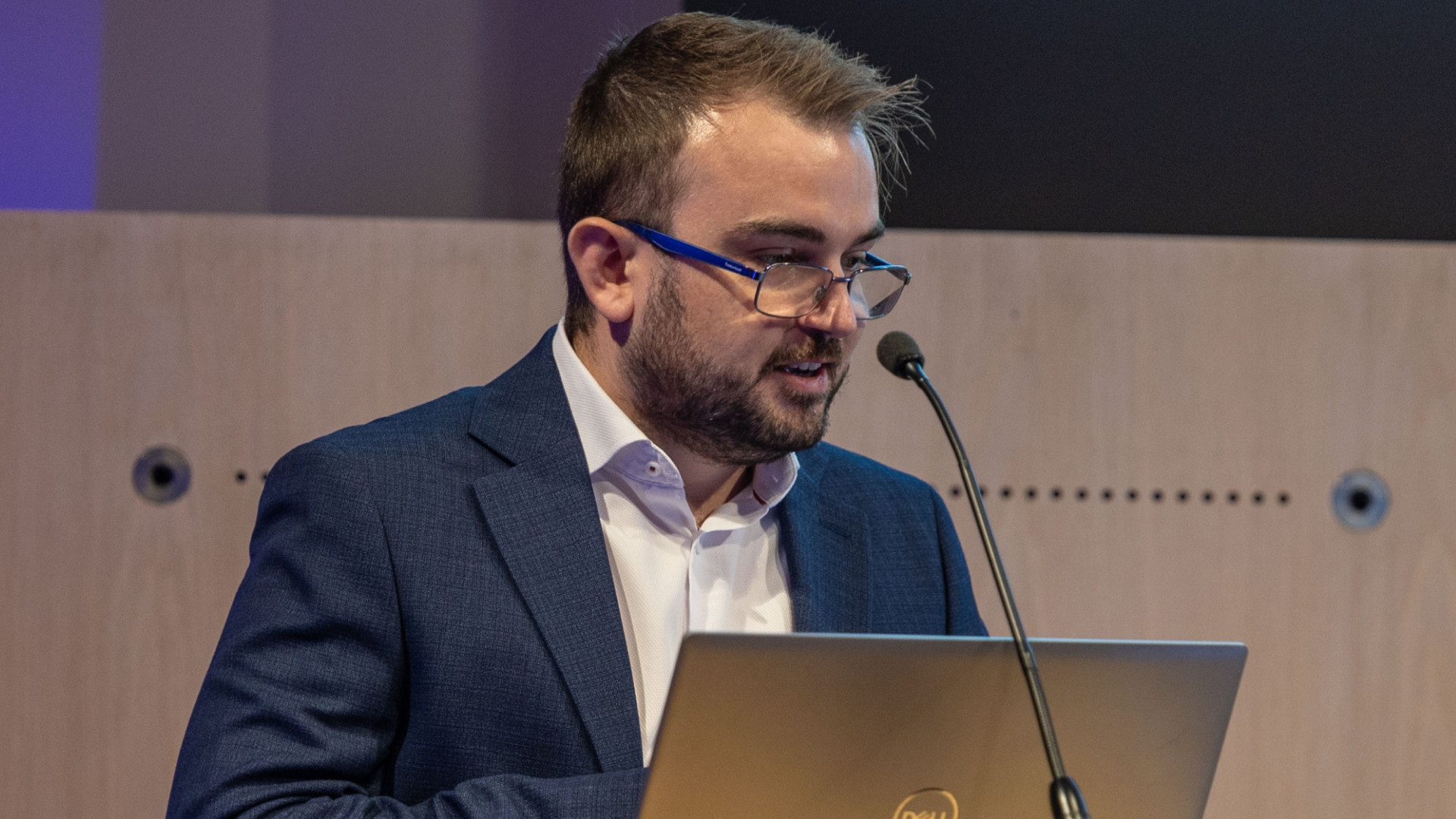
At the inaugural C the Signs Conference, Dr Miles Payling - Co-Founder and Chief Scientific Officer - delivered a message that captured the heart of a movement reshaping how the world detects cancer.

He spoke about science, yes. But more importantly, he spoke about people. About time. About the moments we can give back when cancer is found sooner.

“We can’t afford to wait for symptoms to become obvious. Every moment matters - because every moment lost is a choice, a treatment, a life that could have been saved.”

The question that changed everything

Miles shared the story that shaped the mission behind C the Signs.
As an NHS doctor, he met a patient named Joe - active, fit, and 60 years old. After several GP (primary care) visits with vague symptoms, Joe arrived at hospital jaundiced and unwell. Scans confirmed metastatic pancreatic cancer.

Three weeks later, Joe died.

“Joe never asked, why do I have cancer? What he asked was, why was my cancer picked up so late?

That question became the foundation of C the Signs - a platform built to help clinicians detect cancer early enough to change the outcome.

Today, that vision makes a measurable difference: a patient with cancer detected every 22 minutes.

Each one represents a life identified sooner - and a future that’s less defined by fear.

Why early detection still falls short

Cancer remains one of the leading causes of death worldwide. Survival still depends heavily on the stage at diagnosis.

  • Breast cancer five-year survival falls from 97.9% at stage 1 to 26.2% at stage 4.
  • Bowel cancer falls from 91.7% to 10.3%.
  • Yet only around 58% of patients are diagnosed at an early stage.

In primary care - where most people first seek help - clinicians face enormous pressures:
brief consultations, complex presentations, thousands of patients, and on average only a handful of cancer diagnoses each year. As Miles said in his conference speech:

“The problem isn’t people. It’s knowledge. We need to give every GP the power of precision - instantly.”

Early detection doesn’t fail because clinicians aren’t trying.It fails because cancer is complex, symptoms are subtle, and the time to make sense of them is short. Our platform exists to bridge that gap - offering clinicians timely clarity when decisions need to be made.

Innovation and redefining what’s possible

C the Signs brings together trusted medical evidence, real-time data and AI-powered insight to support clinicians in moments where clarity matters most.

Within seconds, our platform can highlight when a patient may be at risk and guide their doctor toward the right diagnostic pathway - across more than 100 cancer types. But the impact isn’t defined by speed, it’s defined by the lives reached sooner.

Real-world evaluations across the NHS have shown that clinicians using C the Signs are able to:

  • identify patients whose symptoms signal concern - even when the signs are hard to spot
  • offer reassurance by safely ruling out risk when symptoms are more likely to be benign
  • give clinicians clearer insight into where a tumour may have started
  • help reduce emergency cancer presentations by half
  • shorten the time it takes for patients to reach a diagnosis

Each of these outcomes represents something deeply human: a patient receiving answers earlier,
a family spared uncertainty, a healthcare system given space to care, not catch up.

This is what innovation should do - not stand in the place of clinical judgement, but enhance it. It should deepen insight and make the subtle more visible, so clinicians can act early with the confidence their patients deserve.

The movement, and honouring Jess’s Rule

Miles closed by sharing the story of Jessica Brady - a 27-year-old whose symptoms were subtle, persistent and easy to misinterpret. Despite several visits to her doctor, her cancer was found too late. Her loss is felt deeply, not only by those who loved her, but by clinicians across the country who want every patient to be seen in time.

To honour her legacy, our team is introducing Jess’s Rule - a safeguard within the platform that gently alerts clinicians when a patient returns multiple times with unresolved symptoms, prompting a thoughtful, timely cancer risk assessment.

It’s a small change with a profound purpose: to make sure no patient is ever unintentionally overlooked, and no pattern is missed simply because symptoms are subtle.

As Miles said:

“We can turn tragedy into transformation - by ensuring that no patient is ever overlooked again.”

Jess’s story is a reminder of why this movement matters. Together, we can help make early cancer detection a standard for everyone - not a privilege for a few - and give each person the time, choice and hope they deserve.

play icon

What spicy food teaches us about pain, perception, and cancer symptoms

Jan 16, 2026

08 min read

On International Hot and Spicy Food Day, many of us will enjoy a meal that brings a familiar kind of heat. The sort that once felt overwhelming, but now barely registers. Over time, our tolerance builds, and what used to feel intense becomes manageable, sometimes even enjoyable. It’s a great example of how adaptable the human body is. But it also highlights something important about health, and about cancer in particular.

Why spicy food causes pain

The burning sensation from spicy food isn’t actually a flavour. It’s a pain response. Chilli peppers contain a compound called capsaicin, which activates pain receptors in the body that are usually triggered by heat or injury. These receptors send signals to the brain that something potentially harmful is happening, even though no real damage is being done. That’s why spicy food can feel so intense, especially at first.

Interestingly, research shows that with repeated exposure, the nervous system begins to respond differently. Studies using both behavioural testing and brain imaging have found that people who eat spicy food regularly often report lower everyday pain sensitivity, and show reduced neural responses to certain pain stimuli. In simple terms, the signal is still there, but the brain reacts less strongly to it.

CREDIT: iSTOCK

This process is known as desensitisation. The body doesn’t stop detecting the stimulus, it just learns to live with it. Over time, spicy food feels less painful not because the heat has gone away, but because the nervous system has adapted. Some studies even show that people who enjoy spicy food begin to experience the sensation as more pleasant than unpleasant, highlighting just how much perception can change with familiarity and expectation - and this ability to adapt isn’t limited to food. People can also get used to physical symptoms.

A mild but persistent ache. A change in bowel habits. Ongoing fatigue. A feeling of being “off” that never quite settles. At first, these changes stand out. Over time, they become familiar, and familiarity has a way of quietening concern. Research into pain perception shows that how we experience sensations is shaped not just by what’s happening in the body, but by context, emotion and repetition. That means two people can experience the same symptom very differently, and it also means that symptoms which become part of everyday life can be easier to ignore, even when they’re still important.

Understanding persistent symptoms

Pain and discomfort aren’t just annoyances. They’re signals.

In cancer care, pain is one of the most commonly reported symptoms and remains an active area of research, both because of how often it brings people to medical attention and because of its impact on quality of life. Scientists are increasingly studying how the nervous system detects and communicates changes in the body, including those caused by cancer itself or by its treatments.

Many cancers are more treatable when they’re diagnosed earlier. But when someone becomes used to a symptom, they may delay mentioning it, sometimes without realising they’re doing so. The signal hasn’t disappeared, it’s just become easier to live with.

Recognising symptoms early

Early cancer detection doesn’t start with scans or tests. It starts much earlier, with noticing when something isn’t right for you. Noticing when a change doesn’t settle, when a symptom keeps coming back, or when “this is probably nothing” starts to feel like a familiar thought. Talking to a healthcare professional sooner rather than later can lead to reassurance, further investigation, or earlier diagnosis - all of which can make a real difference. Even when it turns out to be nothing serious, that conversation can provide clarity and peace of mind

credit: istock

So, on this International Hot and Spicy Food Day, we are asking you to remember that just like getting used to your favourite spicy food, it’s human to adapt, and it's normal to tolerate discomfort. But when it comes to health, especially when it comes to cancer, getting used to a symptom isn’t the same as it being normal. If something has changed, it’s worth noticing, and it’s worth discussing with a healthcare professional.

References

Bojun He, Min Shao, Junyu Wu, Junyao Wang, Zilong Wei, Lu Chen, Jing Meng, The analgesic effect and neural mechanism of spicy food intake, Social Cognitive and Affective Neuroscience, Volume 20, Issue 1, 2025, nsaf040, https://doi.org/10.1093/scan/nsaf040

Duan, G., Wu, Z., Duan, Z., Yang, G., Fang, L., Chen, F., Bao, X., & Li, H. (2020). Effects of Spicy Stimulation and Spicy-Food Consumption on Human Pain Sensitivity: A Healthy Volunteer Study. The Journal of Pain, 21(7–8), 848–857. 

Haroun, R., Wood, J. N., and Sikandar, S. (2023). Mechanisms of cancer pain. Frontiers in Pain Research, 3, Article 1030899. 

Mardelle, L., Saraiva-Santos, S., et al. (2024). From pain to tumor immunity: influence of peripheral sensory neurons in cancer. Frontiers in Immunology, 15, 1335387. DOI: 10.3389/fimmu.2024.1335387

Wang, W.-L., Hao, Y.-H., Pang, X., & Tang, Y.-L. (2025). Cancer pain: molecular mechanisms and management. Molecular Biomedicine, 6(1), 45.

play icon

C the Signs and NHS Suffolk & North East Essex ICB shortlisted for HSJ Partnership Award

Jan 12, 2026

08 min read

We’re proud to share that C the Signs’ partnership with NHS Suffolk & North East Essex Integrated Care Board (ICB) has been shortlisted for Best Technology Partnership with the NHS at the 2026 HSJ Partnership Awards.

The shortlisted entry recognises a collaborative programme across primary care that has helped clinicians identify patients at risk of cancer earlier - improving detection rates while delivering clear value for the health system.

Delivering meaningful impact at system level

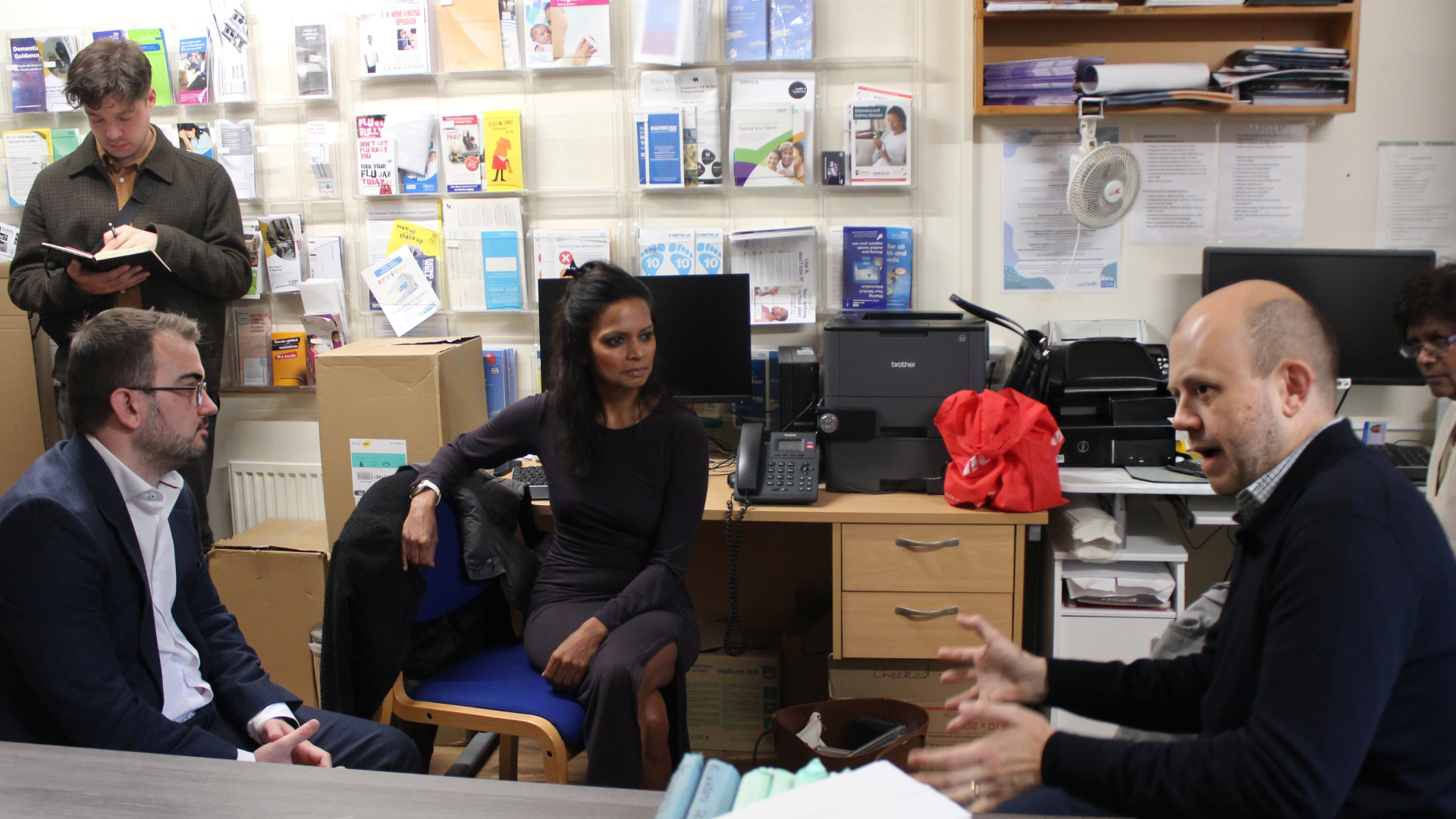
Working closely with Suffolk & North East Essex ICB, the programme focused on supporting primary care teams to spot risk earlier, reduce unwarranted variation, and improve referral quality across the system. The results demonstrate what’s possible when technology is implemented thoughtfully and led by clinical need:

  • An 800% return on investment, reflecting strong value for the wider health system
  • A 12% increase in cancer detection rates, supporting earlier diagnosis and improved patient outcomes

Behind each of these figures are patients whose cancers were identified sooner, when there are more options and clearer next steps.

Dr Peter Holloway, GP Partner at Mendlesham Practice, Cancer Lead for Suffolk and North East Essex ICB, Chair of the Primary Care Group for the East of England Cancer Alliance, and Cancer Research UK GP for the East of England said:

“We must strengthen primary care’s ability to recognise early symptoms of cancer and ensure timely investigation and referral. C the Signs – a clinical decision support system integrated seamlessly within GP IT systems – helps deliver on these objectives.

What does “best technology” mean to us?

For us, being recognised as a leading technology partnership isn’t about software alone. It’s about patient safety, real patient impact, and clinical excellence. It means technology that clinicians can trust, that supports careful decision-making, and that fits naturally into everyday care. Above all, it means helping identify patients at risk of cancer earlier - when there is more time, more clarity, and more opportunity to act.

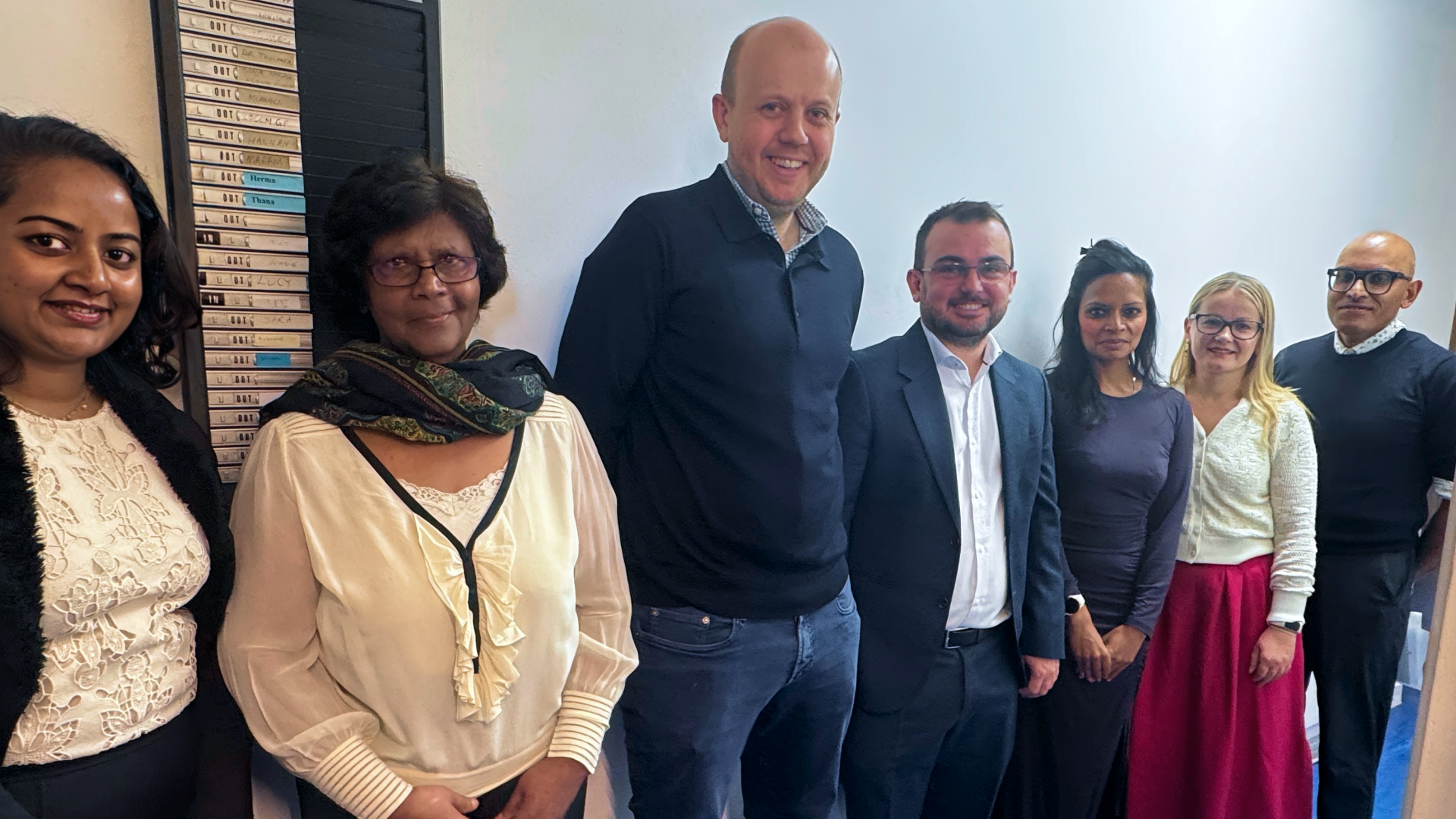
The HSJ shortlisting recognises not only what was achieved, but how it was delivered. The partnership focused on embedding the C the Signs platform into everyday clinical workflows - supporting clinicians with real-time decision support and using population-level insight to guide system-wide improvement. By working closely with GP practices, cancer alliances and ICB leadership, the programme aligned digital innovation with frontline realities. That collaboration helped ensure strong adoption, clinical confidence, and long-term sustainability.

It’s a reminder that earlier diagnosis doesn’t come from technology alone - it comes from people, partnership, and trust.

Recognised by healthcare leaders

The HSJ Partnership Awards are widely regarded as one of the most respected benchmarks for collaboration between the NHS and its partners. Following a rigorous judging process, C the Signs and NHS Suffolk & North East Essex ICB were named among more than 160 finalists, selected from over 240 entries across the 2026 awards programme. Entries were reviewed by a panel of senior healthcare leaders, including NHS trust chief executives, clinical leaders and public health directors.

Luke Wyatt, PatnershipsDirector at C the Signs said:

“This shortlisting reflects what’s possible when the NHS and technology partners work together with a shared purpose. We’re incredibly proud of the partnership with NHS Suffolk & North East Essex ICB, and of the clinicians and teams whose commitment has driven these outcomes for patients.”

The winners will be announced at the HSJ Partnership Awards ceremony on 19 March 2026, held at Evolution London.

Being named a finalist is an important milestone - not just for C the Signs, but for the NHS teams who continue to show what can be achieved through evidence-led, collaborative approaches to earlier cancer diagnosis.

When cancer is found earlier, people are given something invaluable back: more time, more clarity, and more chance to plan their future.

play icon

Northamptonshire embraces earlier cancer detection

Dec 19, 2025

08 min read

Northamptonshire ICB, in partnership with East Midlands Cancer Alliance, have taken an important step towards earlier, more equitable cancer diagnosis - bringing C the Signs to every GP practice across the county.

This move follows strong demand from clinicians across Primary Care, many of whom asked for extra support in spotting cancer earlier and gaining clearer guidance when symptoms are hard to interpret. It reflects a shared commitment across the county: to give patients the best chance of being seen, understood, and referred in time.

Listening to clinicians, supporting patients

In busy GP practices, symptoms can be subtle, overlap with everyday conditions, or appear gradually over time. It’s easy for patients - and even experienced clinicians - to feel uncertain.

Northamptonshire ICB heard repeated calls for a system that could bring together complex information, reduce the burden of manual processes, and offer an extra layer of safety and clarity. With C the Signs now in place, clinicians have consistent, integrated support to help identify risk earlier across more than 100 cancer types.

Championing early diagnosis across the county

This rollout has been shaped by local clinical leaders who have long advocated for reducing variation in early cancer detection.

Dr Azhar Ali, Clinical Lead for Cancer at Northamptonshire ICB, shared his hope for what this will mean for patients and families across the region:

“With C the Signs in place, we can reduce any variation of early cancer detection irrespective of where they live within Northamptonshire. As an ICB, we are committed to a stage shift to more cancers being detected at stages 1 & 2 and therefore reaching better outcomes for patients.”

Dr Catherine Massey, Clinical Director at Grand Union PCN, highlighted how additional safety and clarity can support busy primary care teams:

“We’ve had some significant events in the past where two-week-waits were missed. C the Signs is a safe system that stops these near misses, and makes decision-making as a GP easier and safer.”

Their leadership has helped shape an implementation that meets the needs of both clinicians and patients.

A shared commitment to earlier diagnosis

The Northamptonshire rollout marks a significant moment for the region and for the national movement towards earlier cancer detection.

It shows what is possible when clinicians speak up for what they need, and when systems listen. It shows the value of giving every patient - in every community - the same chance of being seen early, and it shows the power of combining clinical expertise with technology designed to support, not replace, the human judgement at the heart of Primary Care.

play icon

AI drives earlier cancer diagnosis and 808 percent ROI: presented at 2025 ASCO QCS

Nov 25, 2025

08 min read

A new study presented at the ASCO Care Quality Symposium 2025 and published in the Journal of Clinical Oncology (JCO Oncology Practice) has shown that C the Signs, an artificial intelligence (AI) platform supporting earlier cancer diagnosis, has delivered an 808% return on investment (ROI) for the NHS.

Commissioned by Health Innovation East, the independent evaluation found that implementation of C the Signs across Suffolk and North East Essex Integrated Care Board (ICB) was associated with 272 patients being diagnosed earlier and £1.5 million in annual cost savings - demonstrating how AI can help improve patient outcomes and optimise NHS resources.

By helping GPs identify patients at risk of cancer sooner and reduce unnecessary urgent suspected cancer (USC) referrals, the platform has also eased system pressures and released valuable clinical capacity across the region.

“This study provides clear evidence that AI can make a measurable impact on cancer care,” saidDr Miles Payling, Chief Scientific Officer at C the Signs. He went on to say:

"An 800% return on investment means we’re improving early diagnosis and helping the NHS use its resources more efficiently. It’s a practical example of innovation making care better for both patients and clinicians.”

The study builds on earlier research, also published in JCO Oncology Practice and presented at ASCO, which found that GP practices using C the Signs achieved a 12% increase in cancer detection rates - from 58.7% to 66.0% - without increasing referral activity.

Together, these studies show that C the Signs helps detect more cancers at an earlier stage while maintaining stable referral volumes - supporting NHS priorities around early diagnosis, productivity, and elective recovery.

“Early diagnosis gives patients the best chance of successful treatment,” said Dr Seema Dadhania, Clinical Oncologist at Imperial College London and author of the study. Dr Dadhania further stated:

“C the Signs is helping primary care clinicians identify those subtle cancer presentations that can otherwise be missed - improving detection while reducing unnecessary referrals. It’s a model for sustainable early diagnosis.”

Scaling Across the East of England

Following the success in Suffolk and North East Essex, Health Innovation East has supported the expansion of C the Signs across Norfolk and Waveney ICB, with further rollouts planned across the East of England.

Piers Ricketts, Chief Executive at Health Innovation East said:

“This work is a strong example of technology delivering measurable benefit. C the Signs has shown that AI can help clinicians find cancer earlier.

He continued: "This is of obvious benefits to patients whilst also easing the pressure on NHS services, in particular on primary care. The results from Suffolk and North East Essex are a real success story for innovation in the NHS and show how the service can progress towards its goal of increasing early detection rates from 50% to 75% by 2028.”

Dr Peter Holloway, GP Partner at Mendlesham Practice, Cancer Lead for Suffolk and North East Essex ICB, Chair of the Primary Care Group for the East of England Cancer Alliance, and Cancer Research UK GP for the East of England said:

“The NHS has set an ambitious target to achieve 75 percent early stage cancer diagnoses by 2028. To reach this, we must strengthen primary care’s ability to recognise early symptoms of cancer and ensure timely investigation and referral. C the Signs – a clinical decision support system integrated seamlessly within GP IT systems – helps deliver on these objectives.

Shedding further light on the impact, Dr Holloway said: "Research has shown a 12 percent increase in cancer detection rates in Ipswich and East Suffolk following its implementation. Moreover, it demonstrates a strong return on investment: by ensuring patients are quickly directed to the right pathway, the system effectively pays for itself and reinforces the value of a digital first approach.”

play icon

How early prostate cancer detection helped James Pickens Jr. get more time

Nov 18, 2025

08 min read

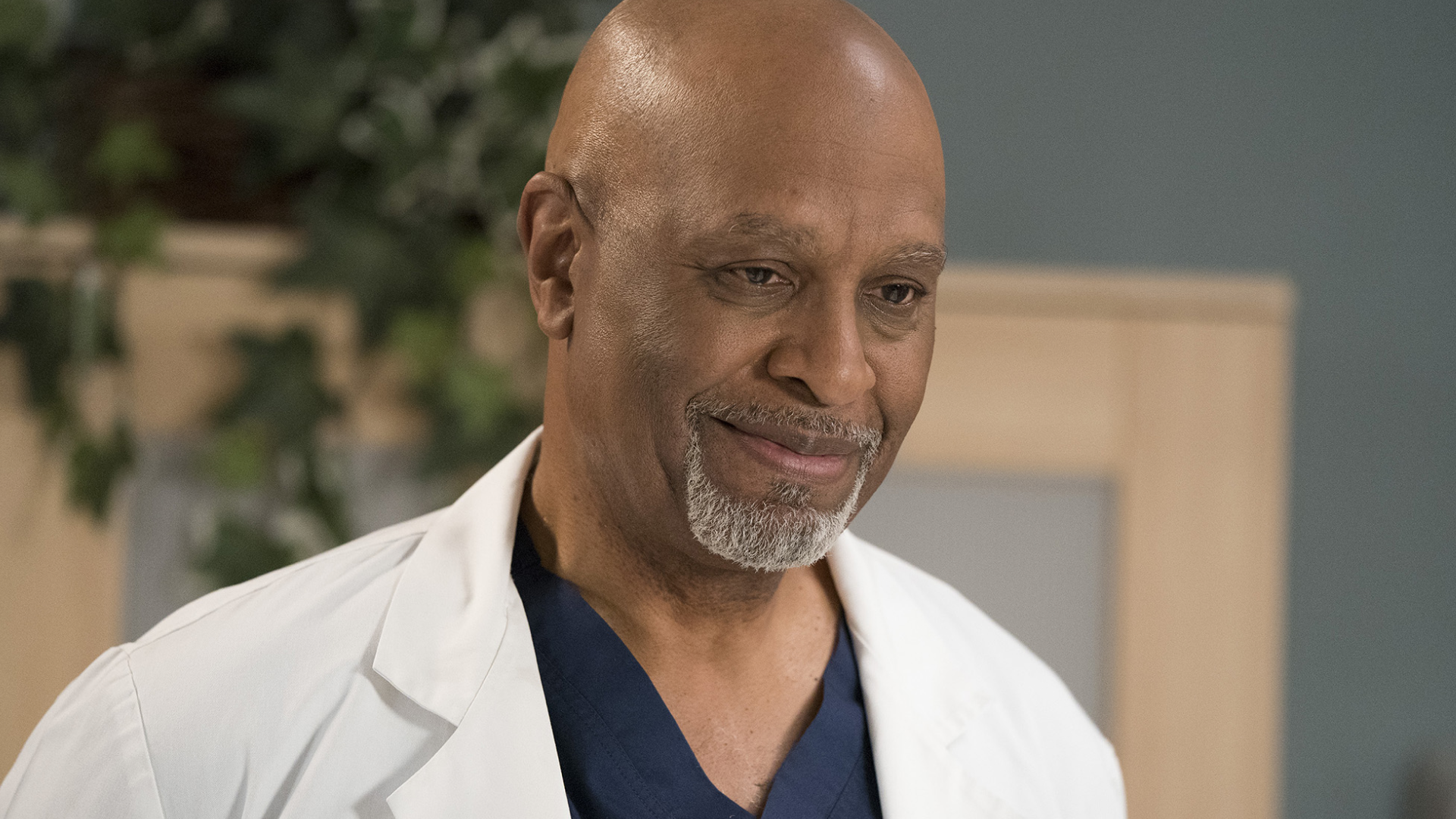
Actor James Pickens Jr., known to millions for his role as Dr Richard Webber on Grey’s Anatomy, has shared his personal experience with prostate cancer - a decision he hopes will encourage more men, especially Black men, to understand their risk and speak to a health professional sooner.

Pickens, now 73, was diagnosed after his annual physical in 2024. For him, the news was not entirely unexpected. Prostate cancer has affected many men in his family across generations. That family history meant he was diligent about monitoring his health - something that ultimately made all the difference.

“My urologist said it worked in my favour,” he shared.

“Because I was so consistent with my testing, they were able to catch it early.”

During his check-up, elevated PSA levels led to a referral to a urologist. A biopsy confirmed a tumour, and a PET scan showed it hadn’t spread. Given his early diagnosis, Pickens was able to choose between radiation or surgery. He opted for a robotic prostatectomy, supported by a team who kept a close eye on a rare cancer variant found during testing.

“They told me they hadn’t seen one detected as early as mine,” he said - a powerful reminder of what’s possible when cancer is identified in time.

Pickens has spoken openly about the stigma that often surrounds men’s health, especially conversations about prostate cancer. Many men delay seeking help, feel uncertain about what’s normal, or worry about “making a fuss”. These barriers are even more pronounced for Black men, who face a higher risk due to genetic and structural factors.

“One in eight men will be diagnosed with prostate cancer,” he said in a recent public message. “For Black men, the risk is even higher. His story reinforces a truth we hear across healthcare: the earlier prostate cancer is detected, the more options men have - and the better their outcomes can be.

"Early detection is key, and sometimes there are no noticeable symptoms.”

How do you know if you have prostate cancer?

Prostate cancer can be difficult to recognise in its early stages - not because people aren’t paying attention, but because the body often gives very few clues at the beginning. That’s why understanding your own baseline, your personal risk, and what feels normal for you is so important.

There isn’t one single sign to look out for. Instead, there are moments worth pausing on - small changes, shifts in how your body behaves, or a sense that something simply feels different.

You don’t need to be certain something is wrong before speaking to a doctor. You just need to notice a change.

For many men, that might look like:

  • A change in the way you urinate - starting, stopping, or feeling different
  • Going more often, especially at night
  • A stream that feels weaker or slower than usual
  • A lingering sense that your bladder hasn’t fully emptied
  • Or simply a feeling that something isn’t quite your normal

These changes don’t automatically mean prostate cancer. They’re far more often caused by benign prostate enlargement - a common part of ageing. But they are still worth a conversation, because the earlier any prostate issue is understood, the more options you have.

Your risk also changes over time. Growing older, having Black heritage, or having a family history of prostate, breast or ovarian cancer can increase the chance of developing prostate cancer - which is why some people choose to check in sooner.

A doctor may talk to you about a PSA blood test - a simple blood test that measures the level of prostate-specific antigen - a protein made by the prostate. It isn’t a diagnosis, and it doesn’t give all the answers - but it can offer a helpful starting point if you want to understand your risk more clearly.

What matters most is listening to your body. You know when something feels different. And you deserve to be taken seriously, to ask questions freely, and to have the right support at the right time.

play icon
Health

Cannabis and cancer: what the science tells us today

Oct 22, 2025

08 min read

For many people, conversations about cannabis and cancer come from a place of hope - a hope that something natural might ease symptoms or make treatment feel more manageable. For others, it’s a topic filled with uncertainty and mixed messages. With so much information circulating online, it can be difficult to know what’s fact, what’s theory, and what’s still being explored.

What is cannabis?

Cannabis is a plant that has been used for thousands of years, both recreationally and medicinally. The resin it produces contains cannabinoids, chemical compounds that can interact with the human body.

Two of the main cannabinoids are:

  • Delta-9-tetrahydrocannabinol (THC) - the compound that causes a “high.”
  • Cannabidiol (CBD) - which doesn’t cause a high and is legal in the UK when sold without THC.

The human body naturally produces its own cannabinoids, known as endocannabinoids, which help regulate processes such as appetite, mood and pain. This system is complex and continues to be studied, including how it may relate to certain diseases, cancer among them.

The legal status in the UK

Cannabis remains a Class B drug under UK law, meaning it’s illegal to possess or supply it. However, several prescribed medicines derived from cannabis are approved for use in the NHS, including:

  • Nabilone, used to help control nausea and vomiting caused by chemotherapy.
  • Epidyolex, used to treat certain types of severe epilepsy.

These are highly regulated medicines, prescribed only when other treatments haven’t worked.

CBD products, such as oils, drops, or gummies, are legal to buy in the UK if they contain no THC and are marketed as food supplements. They cannot legally claim to treat or prevent disease.

What about cannabis oil?

Cannabis oil products vary widely. Some contain only CBD, while others, often sold illegally, include THC. Pure CBD oil is legal to buy as a food supplement in the UK, but products sold online or in shops are not medicines and are not regulated for quality or content.

People living with cancer sometimes explore CBD oil to help with pain, anxiety or sleep. However, claims that CBD or cannabis oil can cure or shrink cancer are not supported by scientific evidence.

If a patient wishes to try CBD, they should always speak to their GP, pharmacist or cancer care team first - especially as CBD can interact with other prescribed medicines.

Cannabis and cancer: what the evidence shows

Researchers around the world have been studying cannabinoids and their potential role in cancer treatment. The results have been mixed and mostly early stage.

Some laboratory studies show that cannabinoids can:

  • Trigger cancer cells to die (a process called apoptosis).
  • Slow the growth of certain cancer cells.
  • Prevent tumours from forming new blood vessels.

However, other studies have found that cannabinoids can:

  • Damage healthy blood vessels.
  • Sometimes promote cancer cell growth under certain conditions.

It’s also important to note that most of this research has been done in cells in the lab or in animals, not in people. What works in a petri dish doesn’t always translate into safe or effective treatments for patients.

As of 2025, there is no reliable clinical evidence that cannabis or cannabinoids can treat or cure cancer in humans.

What the research is exploring

Recent trials are beginning to look at cannabinoids in controlled, medical settings. These studies focus mainly on symptom control or exploring whether cannabinoids can be safely combined with standard treatment - not on replacing proven therapies.

Medicinal cannabis for symptom control in advanced cancer (2025)

A randomised, double-blind clinical trial tested a cannabis oil against placebo in patients with advanced cancer. The trial found no difference in overall symptom distress, though some patients reported a small reduction in pain. However, this came with higher rates of side effects such as dizziness and fatigue, highlighting the need for further research into safe dosing.
(Hardy et al., 2025). 

The ARISTOCRAT trial – UK, ongoing

The ARISTOCRAT trial, led by the University of Leeds and the University of Birmingham, is testing nabiximols (Sativex),  a balanced THC:CBD oral spray, alongside standard chemotherapy for people with recurrent glioblastoma. Early data suggests the treatment is well tolerated. The study aims to understand whether adding cannabinoids could improve survival.
(University of Leeds, 2021; The Brain Tumour Charity, 2023; BMC Cancer trial protocol, University of Birmingham, 2023)

Together, these studies show that research is progressing, but there is still no clear evidence that cannabinoids improve cancer outcomes.

What we still need to understand

There are still important questions to answer:

  • Which cannabinoids (natural or synthetic) might be most effective?
  • What doses are safe and meaningful?
  • Which cancer types, if any, might respond?
  • How do cannabinoids interact with existing treatments like chemotherapy or immunotherapy?

Until large, well-controlled clinical trials can answer these questions, cannabis cannot be recommended as a cancer treatment.

The bottom line

There’s currently no reliable evidence that cannabis or cannabis oil can treat or cure cancer.
Some cannabinoids may help manage symptoms such as pain, sickness or appetite loss, but always under clinical supervision.

For anyone considering CBD or cannabis-based products, the safest step is to talk to a GP or oncology specialist first. They can help review what’s evidence-based, what’s safe, and what may interfere with ongoing treatment.

Because every informed choice, and every early conversation,gives patients back control, confidence and clarity.

References

Hardy JR, Greer RM, Pelecanos A, et al. (2025). Medicinal cannabis for symptom control in advanced cancer: a double-blind, placebo-controlled, randomised clinical trial of 1:1 tetrahydrocannabinol and cannabidiol. Supportive Care in Cancer. DOI: 10.1007/s00520-025-09763-5

University of Leeds (2021). World-first trial tests cannabis-based drug on aggressive brain tumours. Leeds.ac.uk

The Brain Tumour Charity (2023). ARISTOCRAT: a pioneering trial using a cannabinoid-based drug to treat brain tumours. thebraintumourcharity.org

University of Birmingham (2023). A randomised phase II trial of temozolomide with or without cannabinoids in patients with recurrent glioblastoma (ARISTOCRAT). BMC Cancer protocol. birmingham.ac.uk

Cancer Research UK (2023). Cannabinoids and cancer: what we know. news.cancerresearchuk.org