Newsroom
Our latest news and
announcements.
As featured in











.svg%201.png)


How does C the Signs work?

C the Signs
Early diagnosis changes lives. When cancer is found sooner, treatment can begin earlier and the chances of recovery improve. But recognising those early signs is rarely simple. In primary care, clinicians see a wide range of symptoms every day, many of which could point to something routine - or something more serious.
This is where supportive technology becomes essential.
Why early cancer symptoms are hard to recognise
Cancer doesn’t follow a single pattern. Two people with the same cancer can describe completely different symptoms - persistent tiredness in one person, back pain or bloating in another. With more than 100 cancer types and countless possible combinations of symptoms, it’s understandable that early detection can be challenging.
Primary care clinicians often have only a short window to explore concerns, manage records, and decide what needs further investigation. Guidelines can be detailed and complex, and symptoms often overlap with far more common conditions. Clinicians carry enormous responsibility. They deserve systems that help lighten that load.
How supportive technology can help
C the Signs was designed to give clinicians clear, timely insight when something might need a closer look. It draws together national guidance, clinical evidence, and local pathways to support decisions directly within existing primary care systems. It doesn’t replace clinical judgement - it strengthens it. Here’s how it supports the process:
Input
Clinicians enter symptoms, risk factors, concerns or test results directly within their usual systems.
Interpret
The platform analyses this information through validated pathways, clinical research and guideline recommendations.
Act
Within seconds, it offers a clear suggestion - whether that’s a referral, a specific test, or a safe next step - all tailored to the individual. All of this is inputted into the clinician's usual workflow. At present, we mostly work within the UK's National Health Service, and are actively used in over 25% of all practices.

Helping ensure patients are seen in time
Early diagnosis often relies on small details: a symptom that’s been lingering, a pattern that’s easy to overlook, or a concern that doesn’t quite fit. With clear prompts and structured follow-up, clinicians can monitor at-risk patients more easily and ensure those subtle signs aren’t lost between appointments.
This helps prevent delays that can happen when symptoms are unclear or when multiple conditions are being explored at once. It also supports safer safety-netting - making sure people return for the right checks at the right time. Every earlier diagnosis represents more time for treatment, more options, and more stability for patients and their families.
A more sustainable approach to early diagnosis
As pressures on primary care continue to grow, early cancer diagnosis must become more sustainable. Technology that works hand-in-hand with clinicians can support this by:
- reducing variation in care
- supporting consistent decision-making
- easing administrative burden
- helping identify patients who may otherwise be missed
- protecting referral pathways while improving accuracy
It’s a way of strengthening systems without increasing workload - and helping clinicians continue to deliver high-quality care under growing demand.
Working towards earlier diagnosis, together
Spotting cancer early will always be challenging. Symptoms rarely present neatly, and no single system or clinician can hold every pathway in mind during fast-paced appointments. That’s why supportive technology matters - not to replace people, but to ensure they’re equipped with the right information at the right time.
When clinicians are supported, patients benefit, and when patients are seen in time, outcomes change.
Early diagnosis starts with a single moment - a symptom mentioned, a pattern recognised, a decision made with confidence. Our role is to help make those moments easier to act on, so more people receive the care they need, when it can make the greatest difference.
.webp)
How C the Signs integrates with EMIS and SystmOne to save lives
In primary care, time matters. Every consultation, every click, and every decision can shape a patient’s outcome - especially when it comes to cancer.
That’s why C the Signs has been designed to integrate seamlessly with EMIS and SystmOne, enabling GPs to detect cancer earlier without adding extra steps to their daily workflow.
Integration That Fits Naturally Into Primary Care
For most GPs, EMIS and SystmOne are the backbone of daily practice - holding every patient’s medical history, symptoms, and risk factors. C the Signs connects directly into these systems, transforming that information into real-time, actionable insight.
Through this integration, clinicians can:
- Instantly access C the Signs from within EMIS or SystmOne
- Automatically analyse patient symptoms, demographics, and clinical data
- Receive immediate, evidence-based guidance on cancer risk and next steps
No extra software. No switching screens. No duplicate data entry. Just faster, smarter decision-making - at the point of care.
Reducing the Time to Diagnosis
C the Signs is built to make early diagnosis simple, safe, and scalable. By embedding directly into the GP’s existing system, it eliminates delays that often occur when technology sits outside the electronic medical record.
This seamless workflow means:
- Referrals can be generated instantly, including under the Faster Diagnosis Standard (FDS), formerly known as the two-week wait (2WW).
- Patient data flows automatically, avoiding missed information or transcription errors.
- Audit trails and outcomes are logged for research, safety, and quality improvement.
In practices where C the Signs is live, clinicians are already finding cancer faster and more accurately - with earlier referrals, improved outcomes, and a reduced administrative burden.
Driving Early Diagnosis Across the NHS
C the Signs integrates directly with:
- EMIS Web - used by around 70% of GP practices in England
- SystmOne - supporting thousands of GP practices, community services, and hospitals
Together, these integrations make the platform available to millions of patients across the NHS — turning data into action and ensuring that every GP, regardless of location, has access to the same level of intelligent support.
Seamless, Safe, and Clinically Validated
Every integration is developed and maintained in line with:
- NHS Digital standards
- Clinical Safety DCB0129/0160 accreditation
- Information Governance and GDPR compliance
This ensures that C the Signs operates to the highest standards of clinical safety, patient privacy, and system performance — delivering technology clinicians can trust.
Real Impact, Real Patients
“The ability to use C the Signs directly in EMIS has completely changed how quickly I can act.
I can review a patient’s symptoms, get the cancer risk assessment instantly, and make the referral — all in one place.”
— GP, South East England
Every integration helps remove barriers between data and diagnosis - giving clinicians back time and patients back their best chance of survival.
About C the Signs
C the Signs is an AI-powered clinical platform that helps healthcare professionals identify patients at risk of cancer earlier, faster, and more accurately.
Founded by NHS doctors, the platform analyses over 100 cancer types using evidence-based algorithms and integrates directly into GP workflows through EMIS, SystmOne, and Vision.
By embedding early detection tools into everyday care, C the Signs is helping achieve the NHS’s ambition:
75% of cancers diagnosed at stage 1 or 2 by 2028.

How C the Signs is transforming early cancer detection in the UK
At C the Signs, we believe no one should face a late cancer diagnosis.Our mission is clear and urgent - to empower every GP to detect cancer earlier and give every patient the best chance of survival.
Why We Started
Every two minutes, someone in the UK is diagnosed with cancer. For too many, it’s discovered too late - when options are fewer, outcomes are poorer, and lives are changed forever.
The challenge isn’t a lack of care or compassion - it’s the complexity of cancer itself. With over 100 cancer types and countless symptom combinations, even the most experienced GP can face uncertainty during those vital early consultations.
C the Signs was born from a single question:
“What if technology could help doctors spot the earliest signs of cancer - before it’s too late?”
That question became our why - and our purpose.
What We Do
C the Signs is an AI-powered clinical platform that helps healthcare professionals identify patients at risk of cancer - earlier, faster, and more accurately.
Our technology integrates directly with NHS electronic medical record systems like EMIS, SystmOne, and Vision, analysing combinations of:
- Signs and symptoms
- Risk factors and clinical markers
- Demographic and lifestyle data
Using validated algorithms and national evidence-based pathways, C the Signs supports GPs to assess cancer risk and identify the most appropriate referral or diagnostic route - in under 30 seconds.
The result: fewer missed cases, faster investigations, and more lives given back time.
How It Works
C the Signs combines artificial intelligence, clinical research, and national guidelines to transform medical decision-making.
- Analyse – The platform reviews real-time patient data and symptom inputs.
- Assess – AI cross-checks patterns against validated cancer pathways and the latest clinical evidence.
- Act – GPs receive instant, tailored guidance on next steps - from urgent referrals to diagnostic tests.
By translating complex data into clear, actionable insights, C the Signs enables clinicians to make faster, more confident decisions - while maintaining full clinical autonomy.
Our Impact So Far
C the Signs is now used across the UK by over 10,000 healthcare professionals in 1,500 GP practices, helping identify patients with cancer every 22 minutes.
Validated through independent evaluations and peer-reviewed studies, the platform has shown:
- 99% sensitivity for identifying patients with cancer
- 99% negative predictive value, safely ruling out risk
- 94% accuracy in predicting tumour origin
- Stage shift in harder-to-detect cancers such as pancreatic and ovarian
- Faster time to diagnosis, reducing delays by over 20%
- More equitable detection, with fewer emergency presentations and earlier referrals across diverse populations
Every earlier diagnosis represents more time - and more life - for patients and their families.
The Team Behind the Mission
C the Signs was founded by Dr Bea Bakshi and Dr Miles Payling, two NHS doctors who saw firsthand how late diagnosis can cost lives.
Their experience on the frontline of care inspired a bold vision: a future where technology and medicine work together to make early cancer detection the norm — not the exception.
Today, our multidisciplinary team of clinicians, data scientists, and innovators share one purpose:
to end late cancer diagnosis, for good.
A Future Without Late Diagnosis
Our journey is just beginning.
We’re continuing to advance our AI, expanding across care settings - from primary to secondary care and beyond - to make early cancer detection universal and equitable.
Through partnerships with Cancer Alliances, Health Innovation Networks, and NHS England, we’re shaping a future where no symptom is overlooked and no patient waits too long to be seen.
Our vision is bold, but achievable:
A world where no patient is diagnosed too late.
Join Us
Whether you’re a GP, policymaker, or innovation partner - together, we can rewrite the story of cancer care.
👉 Learn more about our research and impact.
👉 Request a demo to see how C the Signs integrates with your NHS system.
👉 Join our mission to make early detection a standard for all.
Featured
Why every moment matters: A message from Dr Miles Payling

Dr. Miles Payling
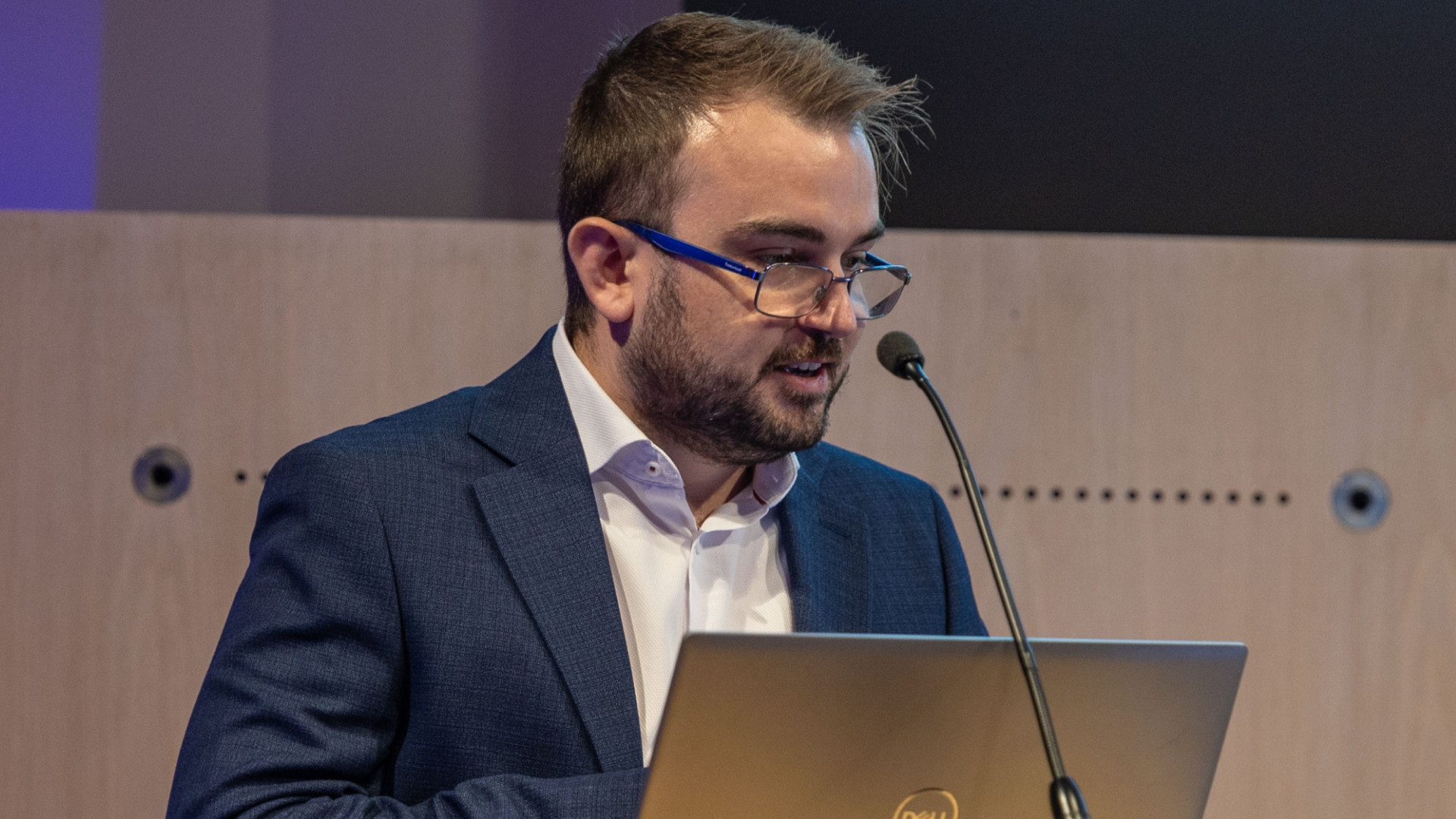
At the inaugural C the Signs Conference, Dr Miles Payling - Co-Founder and Chief Scientific Officer - delivered a message that captured the heart of a movement reshaping how the world detects cancer.
He spoke about science, yes. But more importantly, he spoke about people. About time. About the moments we can give back when cancer is found sooner.
“We can’t afford to wait for symptoms to become obvious. Every moment matters - because every moment lost is a choice, a treatment, a life that could have been saved.”
The question that changed everything
Miles shared the story that shaped the mission behind C the Signs.
As an NHS doctor, he met a patient named Joe - active, fit, and 60 years old. After several GP (primary care) visits with vague symptoms, Joe arrived at hospital jaundiced and unwell. Scans confirmed metastatic pancreatic cancer.
Three weeks later, Joe died.
“Joe never asked, why do I have cancer? What he asked was, why was my cancer picked up so late?”
That question became the foundation of C the Signs - a platform built to help clinicians detect cancer early enough to change the outcome.
Today, that vision makes a measurable difference: a patient with cancer detected every 22 minutes.
Each one represents a life identified sooner - and a future that’s less defined by fear.
Why early detection still falls short
Cancer remains one of the leading causes of death worldwide. Survival still depends heavily on the stage at diagnosis.
- Breast cancer five-year survival falls from 97.9% at stage 1 to 26.2% at stage 4.
- Bowel cancer falls from 91.7% to 10.3%.
- Yet only around 58% of patients are diagnosed at an early stage.
In primary care - where most people first seek help - clinicians face enormous pressures:
brief consultations, complex presentations, thousands of patients, and on average only a handful of cancer diagnoses each year. As Miles said in his conference speech:
“The problem isn’t people. It’s knowledge. We need to give every GP the power of precision - instantly.”
Early detection doesn’t fail because clinicians aren’t trying.It fails because cancer is complex, symptoms are subtle, and the time to make sense of them is short. Our platform exists to bridge that gap - offering clinicians timely clarity when decisions need to be made.
Innovation and redefining what’s possible
C the Signs brings together trusted medical evidence, real-time data and AI-powered insight to support clinicians in moments where clarity matters most.
Within seconds, our platform can highlight when a patient may be at risk and guide their doctor toward the right diagnostic pathway - across more than 100 cancer types. But the impact isn’t defined by speed, it’s defined by the lives reached sooner.
Real-world evaluations across the NHS have shown that clinicians using C the Signs are able to:
- identify patients whose symptoms signal concern - even when the signs are hard to spot
- offer reassurance by safely ruling out risk when symptoms are more likely to be benign
- give clinicians clearer insight into where a tumour may have started
- help reduce emergency cancer presentations by half
- shorten the time it takes for patients to reach a diagnosis
Each of these outcomes represents something deeply human: a patient receiving answers earlier,
a family spared uncertainty, a healthcare system given space to care, not catch up.
This is what innovation should do - not stand in the place of clinical judgement, but enhance it. It should deepen insight and make the subtle more visible, so clinicians can act early with the confidence their patients deserve.
The movement, and honouring Jess’s Rule
Miles closed by sharing the story of Jessica Brady - a 27-year-old whose symptoms were subtle, persistent and easy to misinterpret. Despite several visits to her doctor, her cancer was found too late. Her loss is felt deeply, not only by those who loved her, but by clinicians across the country who want every patient to be seen in time.
To honour her legacy, our team is introducing Jess’s Rule - a safeguard within the platform that gently alerts clinicians when a patient returns multiple times with unresolved symptoms, prompting a thoughtful, timely cancer risk assessment.
It’s a small change with a profound purpose: to make sure no patient is ever unintentionally overlooked, and no pattern is missed simply because symptoms are subtle.
As Miles said:
“We can turn tragedy into transformation - by ensuring that no patient is ever overlooked again.”
Jess’s story is a reminder of why this movement matters. Together, we can help make early cancer detection a standard for everyone - not a privilege for a few - and give each person the time, choice and hope they deserve.